

Your jaw does a lot more work than you probably realize. From talking and eating to yawning and smiling, your TMJ (temporomandibular joint) is used thousands of times every day. When this joint isn’t moving properly, it can lead to jaw pain, clicking or popping, headaches, tension, and trouble opening and closing your mouth comfortably.
TMJ problems aren’t always caused by the jaw itself. Your posture, muscles, neck, stress levels, and even habits like clenching or grinding your teeth can all play a role. That’s why we look at more than just the jaw when evaluating TMJ-related symptoms.
At Heiss Chiropractic, our goal is to find the root cause of your symptoms and address the underlying dysfunction rather than simply treating where it hurts. Depending on what we find, chiropractic care may be used alongside other therapies to help improve movement and get the jaw and surrounding structures functioning better.
TMJ treatment at Heiss Chiropractic is gentle, specific, and focused on getting you feeling better. After your examination, Dr. Nick Heiss will create a treatment plan based on what your body needs and may recommend additional therapies to support your recovery.
$99 New Patient Special
Includes Consultation, Imaging If Needed & First Treatment
How Our Care Plan Works
1. Find The Root Cause
We begin with a detailed consultation, examination, and X-rays when needed to understand exactly what is causing your pain or dysfunction. We will identify the underlying structural, muscular, and neurological issues affecting your health.
2. Restore Proper Movement With Chiropractic Care
Chiropractic adjustments restore proper spinal alignment and joint motion, reduce pressure on nerves, and help your body function the way it was designed to. When your spine and nervous system work properly, your body can heal and perform better.
3. Accelerate Healing With SoftWave TRT
SoftWave Therapy uses acoustic wave technology to improve circulation, activate healing cells, reduce inflammation, and repairs tissue. This therapy is helpful for chronic pain, soft tissue injuries, joint problems, and patients who feel like they’ve “tried everything.”
4. Relieve Pressure With Non-Surgical Spinal Decompression
For patients dealing with disc problems, sciatica, numbness, tingling, or chronic neck and back pain, spinal decompression gently stretches and unloads the spine. This can help reduce pressure on discs and nerves while promoting healing and function.
5. Help You Stay Healthy Long-Term
Our goal is not just temporary relief; we want to help you stay active and healthy long-term so you can continue doing the things you love with confidence.
How We Treat TMJ Pain In South Lincoln, NE
TMJ Adjustments
TMJ adjustments are gentle and specific, focusing on the jaw joint and how it is moving. When the jaw isn’t moving properly, it can create tension, discomfort, clicking, popping, and other symptoms.
Dr. Heiss uses gentle adjustments to help improve the movement of the jaw and reduce stress on the surrounding muscles and joint. Many patients notice a decrease in pain and tension after their first treatment.
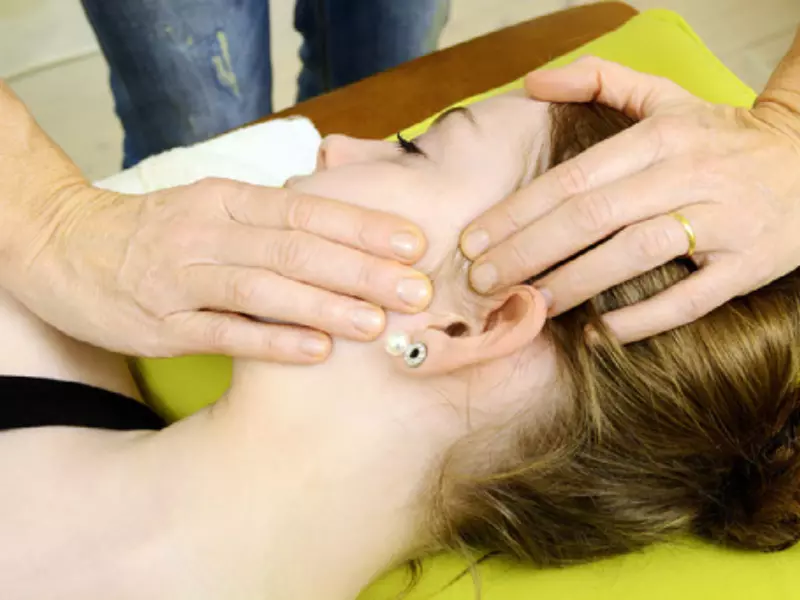
Cervical Adjustments
Your jaw and neck are closely connected. Tension and misalignment in the cervical spine can affect the muscles surrounding the jaw and contribute to headaches, neck tension, and TMJ discomfort.
Cervical adjustments help restore proper movement in the neck and reduce tension in the areas that may be contributing to your TMJ symptoms.
SoftWave Therapy
SoftWave Therapy uses acoustic waves to stimulate the body’s natural healing response. For TMJ patients, it can be used around the muscles and tissues that are tight, irritated, or contributing to discomfort.
SoftWave can be a great addition to your TMJ treatment plan when additional support is needed to help calm irritated tissues and promote healing.


Common Causes of TMJ Problems in South Lincoln, NE
Stress
Stress can cause us to unconsciously tighten the muscles around the jaw or clench our teeth. Over time, this can put extra strain on the TMJ and surrounding muscles.
Clenching & Grinding
Grinding or clenching your teeth, especially while sleeping, can place significant pressure on the jaw joint. You may not even realize you’re doing it until you begin experiencing jaw soreness, headaches, or facial tension.
Posture
Your head, neck, and jaw are closely connected. Poor posture or dysfunction in the cervical spine can contribute to muscle tension and changes in normal jaw movement.
Overuse
Your TMJ is constantly working. Excessive chewing, frequent gum chewing, nail biting, or other repetitive movements can place additional stress on the joint and surrounding muscles.
Injury or Trauma
An injury to the jaw, face, or neck can affect the muscles and joints involved in normal jaw movement. Even an injury that happened some time ago may contribute to ongoing symptoms.
Jaw Tension
Jaw and neck tension can contribute to TMJ issues, particularly when the muscles around the TMJ and cervical spine are tight or not functioning properly. This is one reason we evaluate the neck when a patient comes in with TMJ-related complaints.
Check Out Our Location Near You
5455 Red Rock Ln Ste 17, Lincoln, NE 68516
Frequently Asked Questions About TMJ Dysfunction
Can Heiss Chiropractic help with TMJ pain?
Yes. Dr. Heiss uses specific techniques to help manage TMJ symptoms.
What causes TMJ to flare up?
Since we use our jaw thousands of times a day, overuse can contribute to a flare-up. Stress, muscle tension, clenching, and muscle imbalances can also play a big role.
Can chiropractors adjust the jaw?
Depending on the patient, Dr. Heiss has different ways to adjust the TMJ utilizing hands-on adjustments or the Activator.
What happens if TMJ is left untreated?
Leaving TMJ untreated rarely results in anything good. The symptoms will often progress in frequency and severity, leaving the patient worse off.
Can you fix TMJ without surgery?
Yes! Many TMJ problems can be treated without surgery. We’ve helped many patients with TMJ concerns using conservative, non-surgical care focused on improving how the jaw and surrounding muscles and joints move.
How do you get lasting relief from TMJ problems?
Our TMJ is one of our most-used joints, estimated to be used up to 3,000 times a day. Because this joint goes through constant wear and tear, we need to find a way to create lasting relief. By integrating adjustments and other soft-tissue modalities, we can find ways for patients to see lasting relief and long-term solutions to their symptoms.
How do you get rid of TMJ fast?
To quickly eliminate TMJ issues, Dr. Heiss might recommend multiple treatment modalities. The most important thing is to get adjusted as soon as possible. From there, Dr. Heiss may recommend adding other therapies to help support your recovery.
Is TMJ a medical or dental problem?
TMJ is often treated with a combination of chiropractic and dentistry. The cause of your specific issue will dictate which is a better fit. A dentist will be the right fit if the problem stems from a bite issue or toothache. Most cases stem from disc or musculoskeletal problems, so chiropractic would be the right fit.
What is an adjustment for TMJ like at Heiss Chiropractic?
Every patient is different, so TMJ adjustments are tailored to you and what your jaw needs. The good news is they are gentle and quick, designed to help improve movement and reduce discomfort. Many patients notice a difference after their first treatment!
Can TMJ cause headaches?
TMJ problems can sometimes contribute to headaches and pain around the head and neck. That’s why we don’t just look at your jaw; we also examine your neck and cervical spine to get a better picture of what may be contributing to your TMJ symptoms. Our goal is to look at the whole picture—not just where you feel the pain.
$99 New Patient Special
Includes Consultation, Imaging If Needed & First Treatment
