Disc injuries tend to be more of a chronic issue. Why? The short answer is that the discs have a poor blood supply. The blood supply is the main catalyst that drives the healing process within the body. Blood brings in the new cells and takes the old ones out. Once the discs are formed and stop growing, the blood supply usually diminishes. This diminishment of blood supply typically happens between the ages of 20 and 25.
There are two parts to the disc: the nucleus and the annulus fibrosus. The annulus fibrosus is the tough outer layer that gets damaged with a disc injury. Once these fibers are damaged, it is difficult, if not impossible, to repair them.
This doesn’t mean that once you have a disc injury, you will struggle with it forever! It just means that you will have to be extra intentional about taking care of the disc and the surrounding tissues. At Heiss Chiropractic, we help Lincoln patients do exactly that.
Whether you’ve already been diagnosed with a herniated or bulging disc—or you’re simply dealing with back pain that won’t go away—we can help you understand the cause.
$99 New Patient Special
Includes Consultation, Imaging If Needed & First Treatment
How Our Care Plan Works
1. Find The Root Cause
We begin with a detailed consultation, examination, and X-rays when needed to understand exactly what is causing your pain or dysfunction. We will identify the underlying structural, muscular, and neurological issues affecting your health.
2. Restore Proper Movement With Chiropractic Care
Chiropractic adjustments restore proper spinal alignment and joint motion, reduce pressure on nerves, and help your body function the way it was designed to. When your spine and nervous system work properly, your body can heal and perform better.
3. Accelerate Healing With SoftWave TRT
SoftWave Therapy uses acoustic wave technology to improve circulation, activate healing cells, reduce inflammation, and repairs tissue. This therapy is helpful for chronic pain, soft tissue injuries, joint problems, and patients who feel like they’ve “tried everything.”
4. Relieve Pressure With Non-Surgical Spinal Decompression
For patients dealing with disc problems, sciatica, numbness, tingling, or chronic neck and back pain, spinal decompression gently stretches and unloads the spine. This can help reduce pressure on discs and nerves while promoting healing and function.
5. Help You Stay Healthy Long-Term
Our goal is not just temporary relief; we want to help you stay active and healthy long-term so you can continue doing the things you love with confidence.
What Is a Disc Injury?
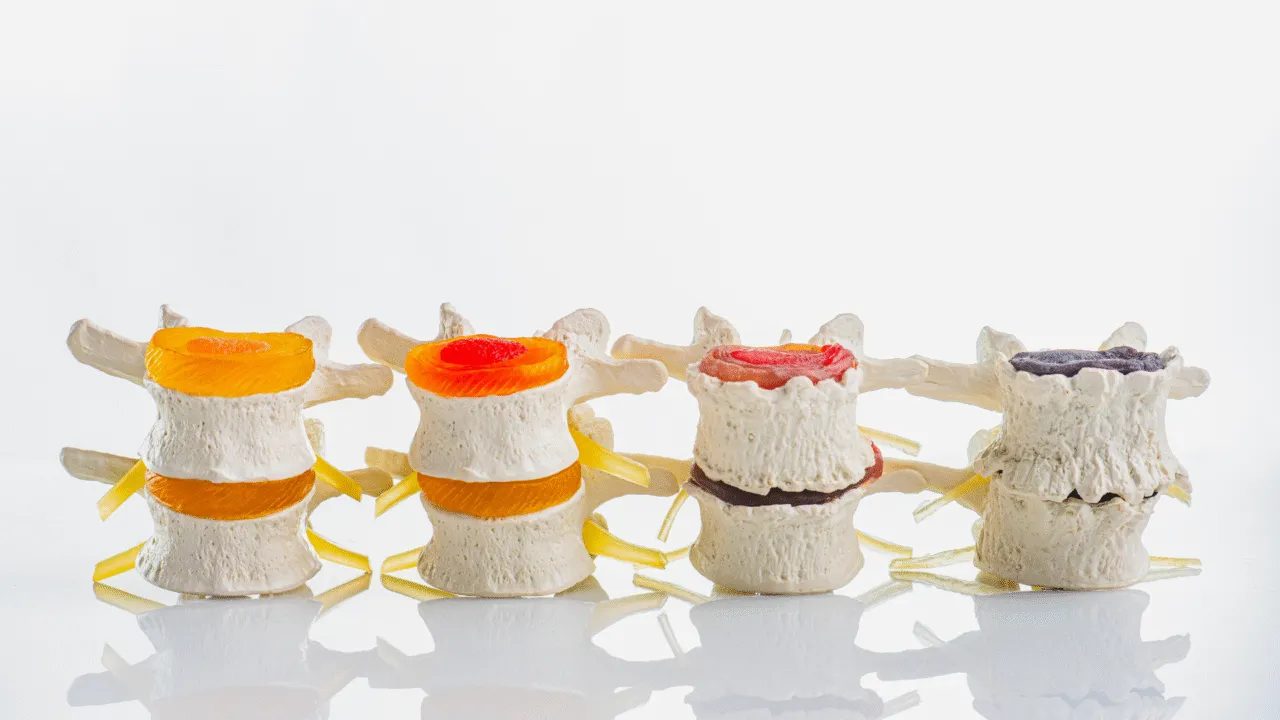
Your spine is made up of a series of interlocking bones called vertebrae, with intervertebral discs in between. These discs have a soft, gel-like center and a tougher outer shell. They function like shock absorbers, allowing your spine to bend, twist, and carry weight while keeping your vertebrae from grinding against one another.
When one of these discs is injured—either from trauma, improper lifting, or repetitive strain—it can:
- Bulge or protrude outward (protruding disc)
- Tear and leak the inner gel (herniated disc)
- Completely rupture, with the gel breaking away from the disc (disc extrusion)
These injuries can affect mobility, cause local pain, and often irritate nearby nerves—sending pain, numbness, or weakness into other areas of the body.
Common Causes of Disc Injuries in South Lincoln, NE
Your spinal discs are designed to handle movement and load, but certain activities can place greater stress on them—especially when repeated over time or performed when the body is fatigued. Bending and lifting, such as picking things up from the floor, can increase pressure through the discs. Twisting while lifting, such as moving boxes or shoveling, can place additional stress on the outer portion of the disc. Prolonged sitting, whether at a desk, in a vehicle, or watching TV, keeps the spine in one position for extended periods and limits normal movement. Repetitive impact, such as running, jumping, or playing sports, creates repeated loading through the spine. Finally, heavy lifting and fatigue can make it more difficult for the muscles to properly support the spine, potentially increasing the mechanical demands placed on the spine. These activities aren’t necessarily bad for your spine—the key is having adequate strength, mobility, proper mechanics, and recovery to handle the demands you place on it.
Common Symptoms of Disc Injuries
Depending on the location and severity of the injury, symptoms may include:
- Neck pain or lower back pain
- Pain radiating into the arms, legs, or feet
- Numbness or tingling sensations
- Muscle weakness in the legs or feet
- Reduced mobility or flexibility
Sciatica (pain running from the lower back down one or both legs) - In rare cases, loss of bladder or bowel control (seek emergency care)


How We Treat Disc Injuries in South Lincoln, NE
At Heiss Chiropractic, we typically combine three approaches to support disc healing:
Spinal Adjustments
Maintaining proper mobility in the spine is essential for the health of the discs.
SoftWave
Your spinal discs have limited direct blood supply, so they rely on the surrounding tissues for nutrient exchange. SoftWave uses acoustic waves to mechanically stimulate the tissues around the injured or degenerative area. That stimulation may help improve the local healing environment, circulation, cellular activity, and tissue remodeling.
Non-Surgical Spinal Decompression
This therapy uses controlled cycles of unloading to temporarily reduce pressure on the disc and create an environment that allows fluid movement and reduces stress on the disc and surrounding tissues. Think of your disc somewhat like a sponge. When it’s continually compressed, fluid is squeezed out. When the pressure is reduced, it can take fluid back in.
Depending on your needs, your plan may also include flexion-distraction techniques, postural correction and lifestyle guidance, and targeted exercises to support spine health.
Check Out Our Location Near You
5455 Red Rock Ln Ste 17, Lincoln, NE 68516
Frequently Asked Questions About Disc Injuries
Can chiropractors in Lincoln, NE help with disc problems?
Yes. At Heiss Chiropractic, we offer a range of treatments for disc injuries. Spinal adjustments, along with SoftWave therapy and spinal decompression, are a great combination for healing these problems.
Is it safe to go to a chiropractor with a herniated disc?
Yes, it is safe to see a chiropractor with a herniated disc. When a disc herniates, the outer fibrous layer can allow the inner nucleus to leave the “shell,” creating inflammation in the surrounding tissue. There are many ways a chiropractor can help reduce that inflammation and support the healing process, depending on what kind of disc injury you are suffering from.
Can a chiropractor realign a disc?
A “slipped disc” is another term for disc herniation. In severe cases, a piece of the nucleus will “slip” out of the back of the disc. Chiropractic care can help increase fluid and blood flow to the disc, aiding in its proper healing and recovery.
How long does it take for a disc herniation to heal?
This varies depending on the chronicity and severity of the issue. A mild disc herniation in a younger person with no previous issues could see pain settle down in a few days. However, someone who has a prior history and is in the later stages of life may experience sharp pains that can last more than a week, with some cases taking up to 12 weeks to heal. Many of our patients notice meaningful improvement and return to normal activities within a few weeks of starting chiropractic care.
Can you massage a bulging disc back into place?
No. Massage is a surface-level treatment, and the discs of the back are located between the vertebrae. There are multiple layers of skin, fat, muscles, bone, and nerve tissue before you reach the disc. Although massage may alleviate some of the symptoms of tightness and spasms, it won’t correct the underlying injury.
What should you not do with a herniated disc?
With a herniated disc, it is important to reduce inflammation to promote healing. Try finding comfortable positions and minimize movements that increase the sharp, intense pains. Movement is necessary, but there is a fine line between pushing through the pain and creating more inflammation. Stick to gentle, slow movements.
What are the signs of a herniated disc in your back?
Symptoms start simply with pain, often sharp, usually followed by muscle spasms and difficulty moving. These issues can range in severity; some people experience neurological symptoms like loss of sensation or balance, and loss of bladder control. If you experience loss of bladder or bowel control, seek emergency care right away.
Can chiropractors in Lincoln, NE cause harm?
Chiropractors are trained specifically to diagnose and treat disc herniations. This is one of the most common conditions seen in our office. Once a thorough examination is performed, it is safe to undergo chiropractic treatment. Every appointment begins with a comprehensive consultation and examination to ensure each patient is treated safely and effectively.
Can a chiropractor fix a pinched nerve?
To treat a pinched nerve, you first need to figure out what is pinching the nerve. The most common reasons are a herniated disc or a muscle spasm. As long as the cause of the pinched nerve isn’t a more concerning issue like a fracture or dislocation, chiropractic is a fantastic option for pinched nerves.
What is the best exercise for a bulging disc?
The best group of exercises for long-term care of bulging discs is core stabilization. Depending on the severity of the issue, these exercises may aggravate pain at first, so wait until you’re past the acute phase. Core stability will help prevent these injuries from recurring in the future.
Don’t Let a Disc Injury Control Your Life
If you’re suffering from back pain, sciatica, or symptoms of a possible disc injury, don’t wait until it worsens. Chiropractic care offers a safe and proven path to healing—without surgery or drugs.
Contact Heiss Chiropractic in South Lincoln, NE today to schedule your consultation and take the first step toward recovery.
$99 New Patient Special
Includes Consultation, Imaging If Needed & First Treatment